Một cuộc thảo luận gần đây về lý do tại sao các thương hiệu xe đạp Trung Quốc có thể gặp khó khăn trong việc thu hút người đi xe đạp phương Tây đã nêu lên một vấn đề quan trọng:
Chế tạo một chiếc xe đạp tuyệt vời và xây dựng một thương hiệu tuyệt vời là hai việc hoàn toàn khác nhau.
Chúng tôi đồng ý.
Tuy nhiên, từ góc nhìn của chúng tôi với tư cách là một nhà sản xuất xe đạp điện gấp của Trung Quốc, câu chuyện này còn có một khía cạnh khác.
Câu hỏi có lẽ không chỉ đơn thuần là liệu các công ty Trung Quốc có thể xây dựng thương hiệu tại châu Âu hay không.
Câu hỏi lớn hơn là:
Liệu các nhà sản xuất Trung Quốc có thể chuyển mình từ vai trò nhà cung cấp sản phẩm thành những đối tác lâu dài trong hệ sinh thái xe đạp châu Âu hay không?
Chúng tôi tin rằng họ có thể làm được — nhưng điều đó đòi hỏi nhiều hơn là mức giá cạnh tranh và tốc độ sản xuất nhanh.
Sản xuất chỉ là bước khởi đầu
Ngành công nghiệp xe đạp của Trung Quốc đã phát triển năng lực sản xuất vô cùng lớn.
Khung sợi carbon. Công nghệ pin. Hệ thống truyền động. Sản xuất chính xác. Tạo mẫu nhanh. Tích hợp chuỗi cung ứng.
Những khả năng này thực sự là những lợi thế.
Tuy nhiên, một nhà máy xuất sắc không tự động tạo nên một thương hiệu xuất sắc.
Một sản phẩm vẫn cần có lý do để tồn tại trên thị trường.
Sản phẩm này cần phải đáp ứng được kỳ vọng của người đi xe, các nhà bán lẻ và nhà phân phối.
Sản phẩm này cần có dịch vụ hậu mãi đáng tin cậy.
Việc này cần có sự phối hợp tại địa phương.
Và quan trọng nhất là, nó cần phải hiểu Tại sao khách hàng lại chọn chiếc xe đạp này thay vì chiếc xe đạp khác.
Vấn đề đó không thể được giải quyết chỉ bằng một nhà máy.
Từ nhà cung cấp đến đối tác sản xuất
Đây chính là điểm mà chúng tôi cho rằng mối quan hệ giữa các nhà sản xuất Trung Quốc và các thương hiệu châu Âu cần phải phát triển hơn nữa.
Mô hình cũ tương đối đơn giản:
Khách hàng → gửi bản vẽ kỹ thuật → nhà máy → sản xuất → giao hàng
Nhưng tương lai có thể sẽ khác:
Phân tích thị trường → Ý tưởng sản phẩm → Thiết kế kỹ thuật → Làm mẫu thử → Thử nghiệm → Sản xuất → Hỗ trợ thị trường địa phương
Đối với một nhà sản xuất OEM/ODM, điều này có nghĩa là phải tham gia vào quá trình phát triển sản phẩm từ rất sớm.
Thay vì chỉ hỏi:
“Anh cần bao nhiêu?”
Những câu hỏi hay hơn là:
“Người lái xe là ai?”
“Bạn đang cố gắng giải quyết vấn đề gì?”
“Thị trường của bạn đang mong đợi điều gì?”
“Điều gì khiến sản phẩm của bạn trở nên khác biệt?”
“Chiếc xe đạp nên phù hợp với thương hiệu của bạn như thế nào?”
Đó là một vai trò hoàn toàn khác so với việc chỉ đơn thuần sản xuất theo bản vẽ.
Châu Âu không phải là một thị trường duy nhất
Có một điểm trong bài báo này đặc biệt quan trọng:
Châu Âu không phải là một thị trường xe đạp thống nhất.
Một chiếc xe đạp điện gấp được thiết kế dành cho thị trường Đức có thể sẽ không được định vị hoàn toàn giống như vậy tại Pháp, Tây Ban Nha, Hà Lan hay Anh.
Các mô hình bán lẻ có sự khác biệt.
Mong đợi của khách hàng là khác nhau.
Các yêu cầu quy định là khác nhau.
Và văn hóa đạp xe cũng khác biệt.
Đó chính là lý do tại sao chúng tôi không tin rằng một nhà sản xuất Trung Quốc có thể chỉ đơn thuần phát triển một sản phẩm tại Trung Quốc rồi mong đợi thị trường châu Âu sẽ thích ứng với sản phẩm đó.
Quá trình phát triển sản phẩm phải lắng nghe thị trường.
Công nghệ vẫn đóng vai trò quan trọng
Đồng thời, chúng ta không nên đánh giá thấp vai trò của công nghệ.
Đạp xe có thể liên quan đến bản sắc và cộng đồng, nhưng những người đạp xe vẫn quan tâm đến:
Trọng lượng. Cảm giác lái. Độ tin cậy. An toàn pin. Hiệu suất động cơ. Cơ chế gấp gọn. Vật liệu. Thiết kế.
Ví dụ, sợi carbon nhẹ có thể thay đổi trải nghiệm khi sử dụng xe đạp điện gấp.
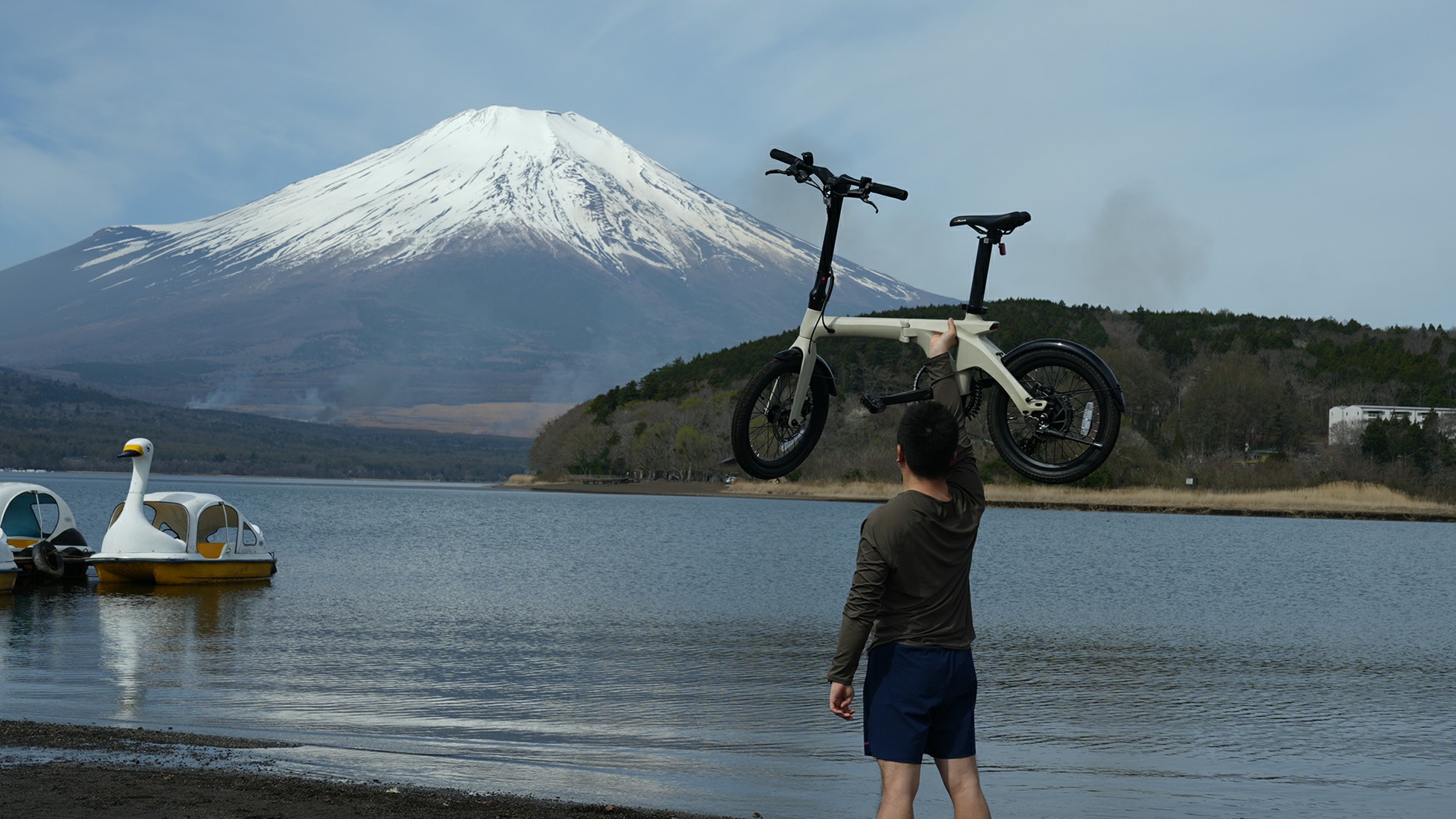
Mẫu PLUMA 18″ của chúng tôi là một ví dụ.
Với trọng lượng 13,2 kg, khung và phuộc làm từ sợi carbon, tay lái và trục tay lái bằng sợi carbon, cùng động cơ truyền động giữa, chiếc xe này được thiết kế dựa trên một ý tưởng đơn giản:
Một chiếc xe đạp điện không chỉ cần dễ lái mà còn phải dễ mang theo.
Đó chính là kỹ thuật.
Tuy nhiên, chỉ riêng kỹ thuật thôi thì vẫn chưa đủ.
Thị trường vẫn còn phải cho chúng ta biết liệu giải pháp đó có thực sự quan trọng hay không.
Lắng nghe trước khi triển khai
Đó cũng chính là lý do tại sao chúng tôi tin rằng quá trình phát triển sản phẩm nên trở nên cởi mở hơn.
Trước khi ra mắt một sản phẩm mới, các nhà sản xuất có thể hỏi ý kiến các nhà phân phối, nhà bán lẻ, các thương hiệu và người lái xe:
Điều nào quan trọng hơn?
Kích thước gấp lại nhỏ hơn?
Giảm cân?
Sự thoải mái khi lái xe tốt hơn?
Dễ mang theo hơn?
Tầm bắn xa hơn?
Tích hợp tốt hơn?
Các thị trường khác nhau có thể đưa ra những câu trả lời khác nhau.
Chính cuộc trò chuyện đó đã trở thành một phần của quá trình phát triển sản phẩm.
Việc xây dựng lòng tin cần có thời gian
Bài báo cũng đúng về một điều mà công nghệ không thể thay thế:
Niềm tin cần có thời gian.
Các nhà phân phối châu Âu cần biết họ đang mua hàng từ ai.
Các nhà bán lẻ cần có sự hỗ trợ kỹ thuật đáng tin cậy.
Khách hàng cần có niềm tin vào chính sách bảo hành và phụ tùng thay thế.
Các đối tác cần sự nhất quán về chất lượng và giao tiếp.
Và các thương hiệu cần biết rằng đối tác sản xuất của họ sẽ vẫn đồng hành cùng họ ngay cả khi sản phẩm đầu tiên đã được bán ra.
Những mối quan hệ này không thể xây dựng chỉ trong một sớm một chiều.
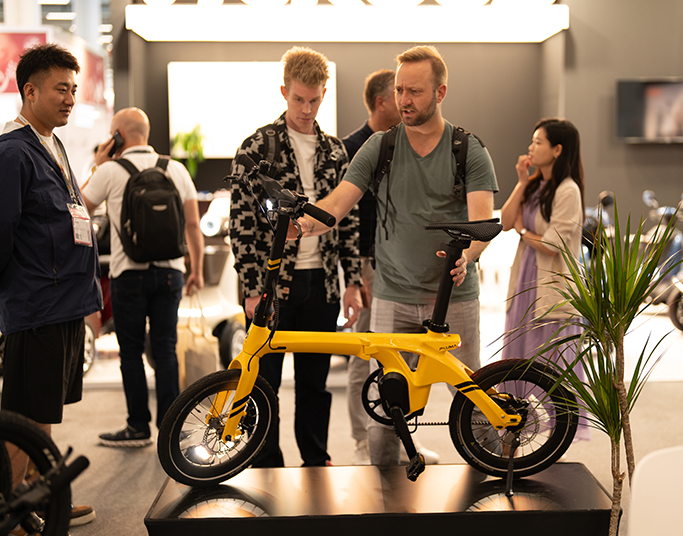
Họ cần các chuyến thăm nhà máy, tham dự hội chợ thương mại, nhận mẫu sản phẩm, thử nghiệm, trao đổi, dịch vụ và — đơn giản là — sự hiện diện.
Có lẽ tương lai sẽ không phải là cuộc đối đầu giữa các thương hiệu Trung Quốc và các thương hiệu châu Âu
Có lẽ tương lai thú vị hơn không phải là cuộc cạnh tranh giữa “các thương hiệu Trung Quốc” và “các thương hiệu phương Tây”.”
Đó có thể là một mô hình có tính kết nối cao hơn.
Các thương hiệu châu Âu mang đến:
hiểu biết về thị trường + văn hóa thương hiệu + mối quan hệ với khách hàng
Các đối tác sản xuất Trung Quốc mang lại:
kỹ thuật + sản xuất + chuỗi cung ứng + tốc độ phát triển sản phẩm
Khi những thế mạnh này kết hợp với nhau, kết quả không nhất thiết phải là một sản phẩm Trung Quốc cố gắng trở thành sản phẩm châu Âu.
Đó có thể là một sản phẩm được phát triển dành cho thị trường châu Âu, với những thế mạnh của cả hai bên đều được huy động ngay từ đầu.
Đó là hướng đi mà chúng tôi tin là đáng để khám phá.
Tại MORFUNS, chúng tôi không muốn chỉ là nhà máy sản xuất sản phẩm cho người khác.
Chúng tôi mong muốn trở thành đối tác sản xuất và phát triển sản phẩm đứng sau thế hệ xe đạp điện gấp thế hệ mới.
Bởi vì xét cho cùng, sản xuất không phải là điểm kết thúc của câu chuyện.
Đó chính là nơi câu chuyện bắt đầu.


Vượt ra ngoài phạm vi nhà máy: Những điều các nhà sản xuất xe đạp điện Trung Quốc cần xây dựng tại châu Âu
Mục lục
Chia sẻ bài đăng:
Liên hệ ngay
Liên hệ với Morfuns
Hãy trở thành đối tác của chúng tôi trong lĩnh vực tin tức, sự kiện và những mẫu xe đạp điện mới nhất!

Liên kết nhanh
Morfuns Bản quyền © 2026
- Chính sách bảo mật
- Điều khoản và Dịch vụ